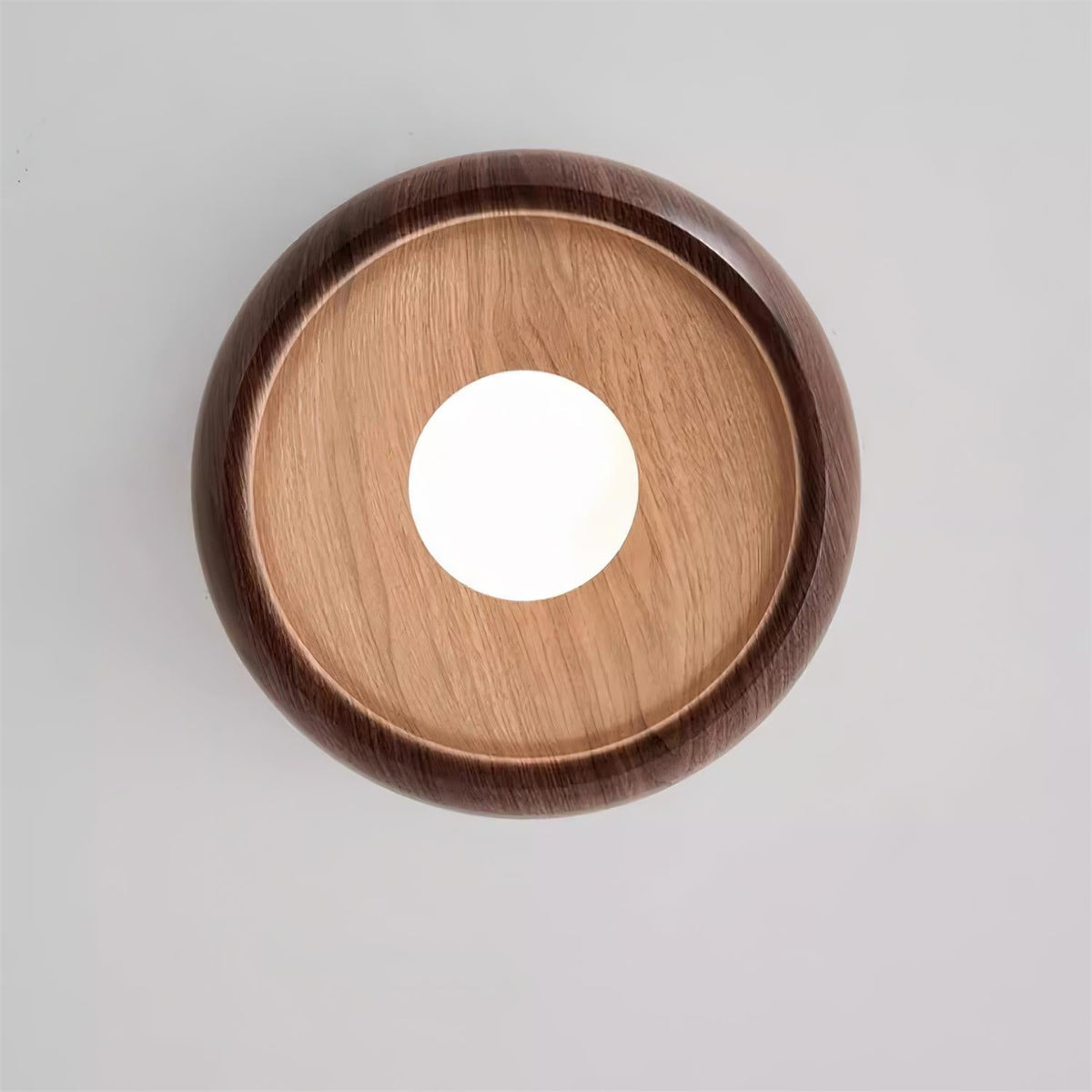
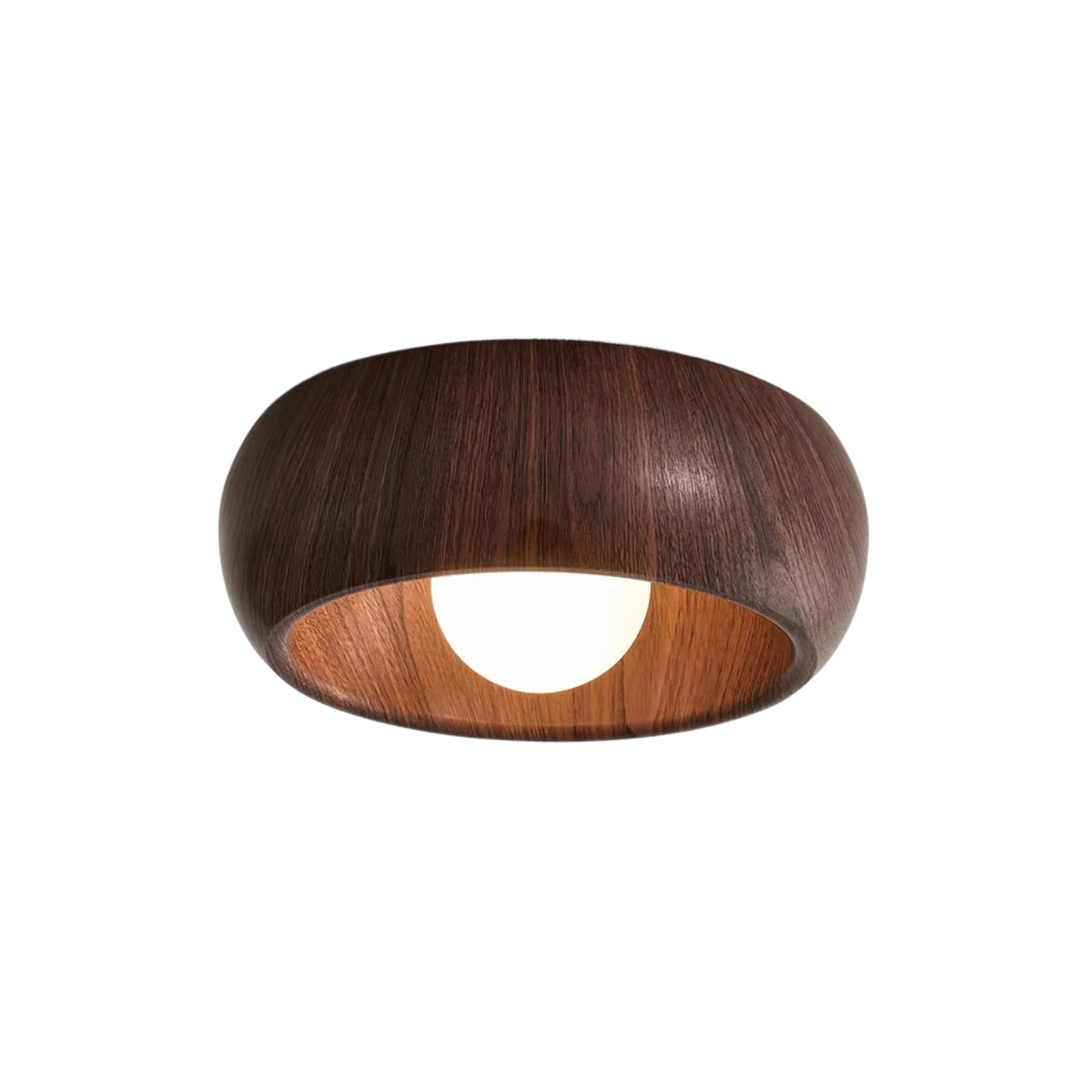
Wabi-Sabi Resin Pendant Light – White or Orange, Warm White Glow
A pendant in the wabi-sabi idiom, cast in resin in White or Orange, giving a warm white light. Wabi-sabi means the form is deliberately irregular — uneven edges, an asymmetric profile, a surface that reads as weathered rather than machined — so the shade is not intended to look perfectly finished. Warm light is the only temperature offered, and it suits that intention.
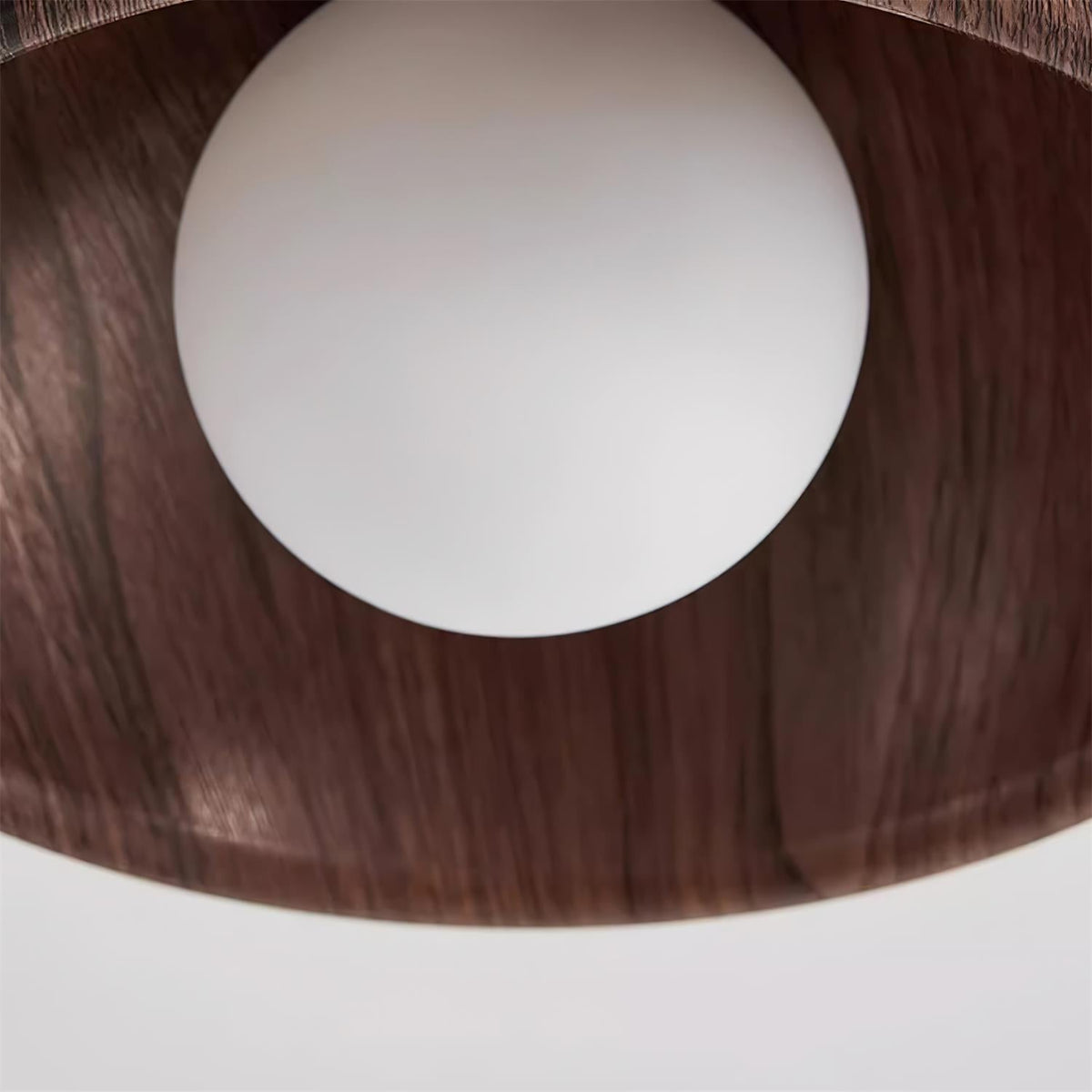
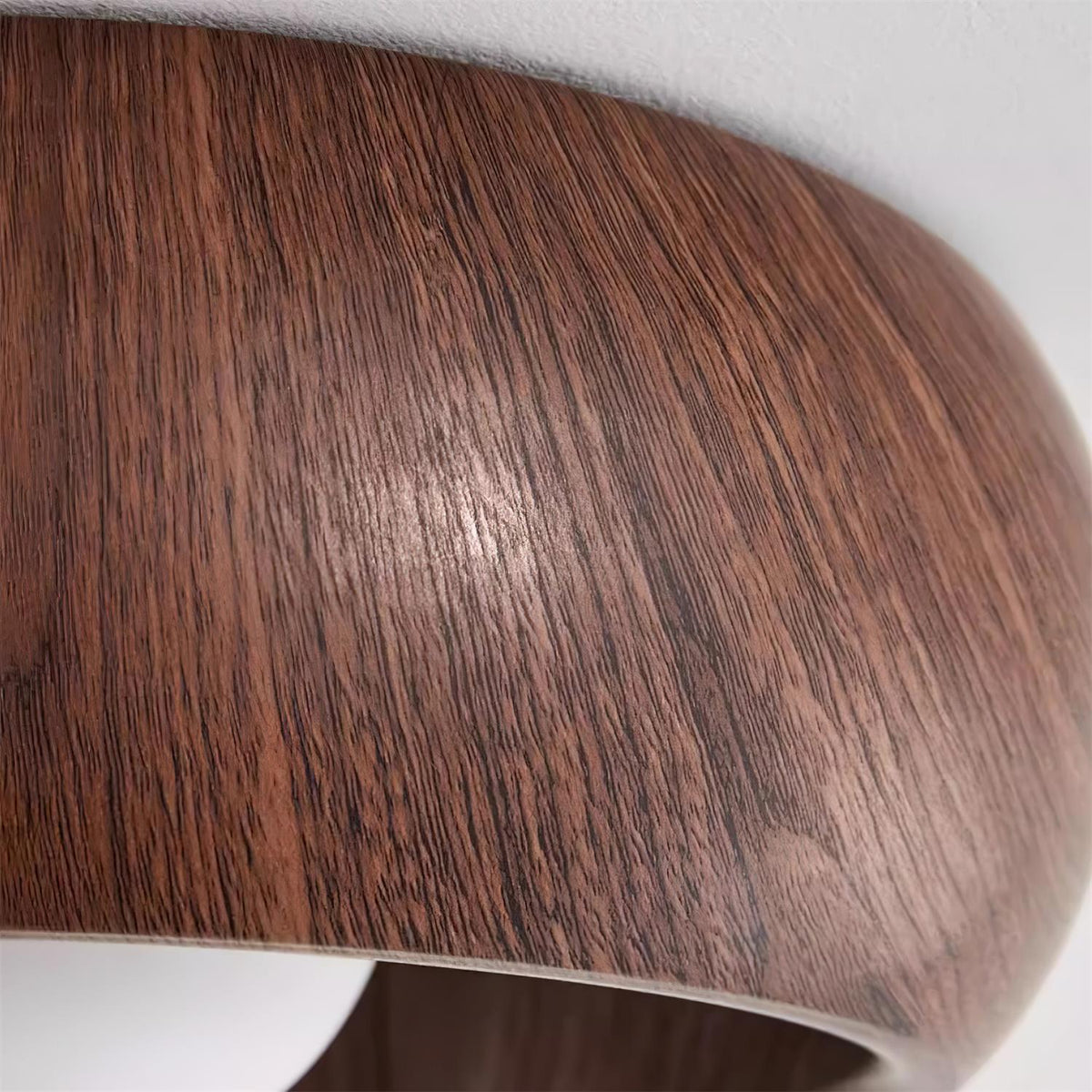
Resin is what allows a deliberately irregular form to be produced repeatably. An irregular shape in glass or metal would have to be worked by hand every time, whereas a resin cast reproduces the same intended irregularity from one mold. The surface is matte rather than reflective, so the shade absorbs light instead of throwing highlights back, and the warm output keeps the fixture in the same register as its own finish.
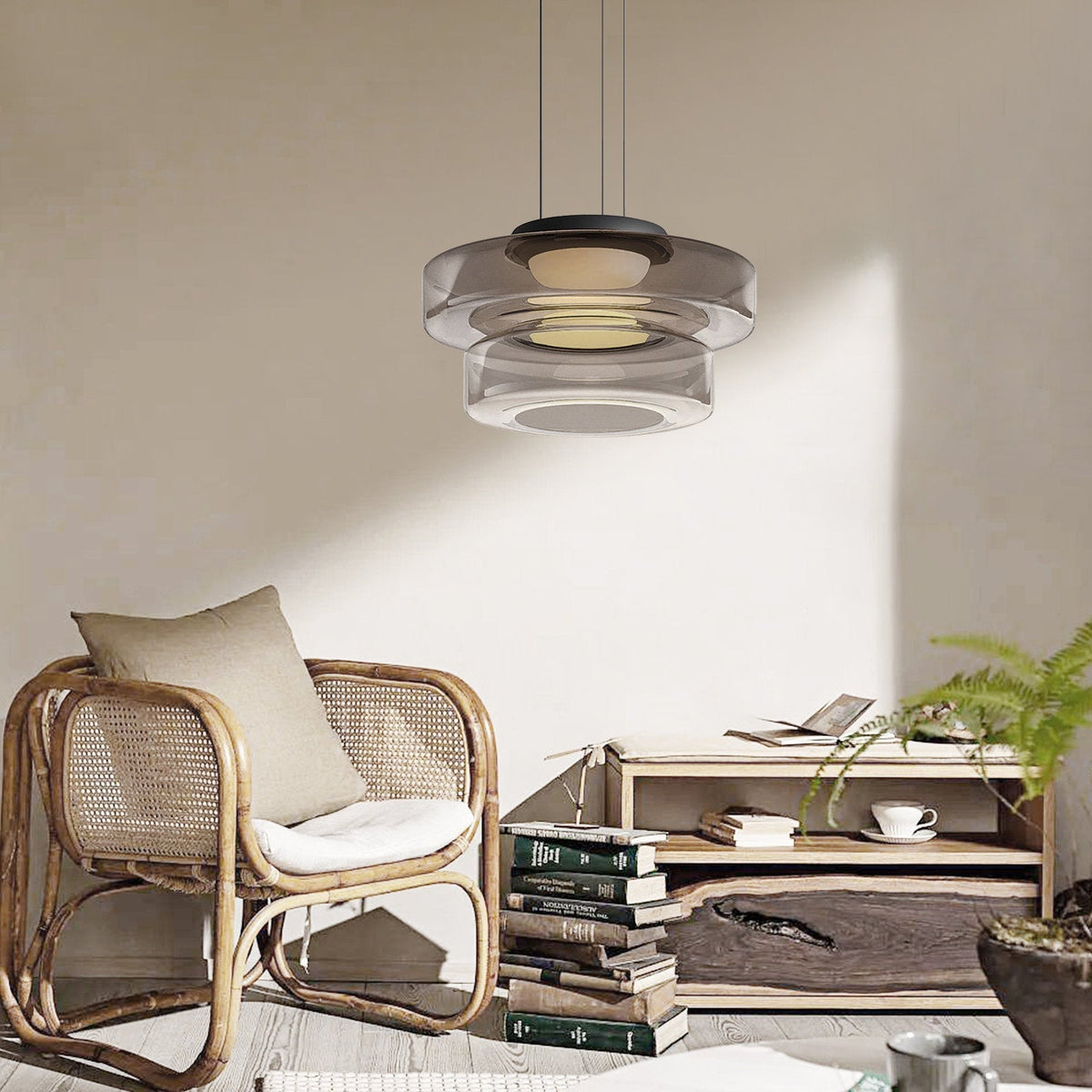
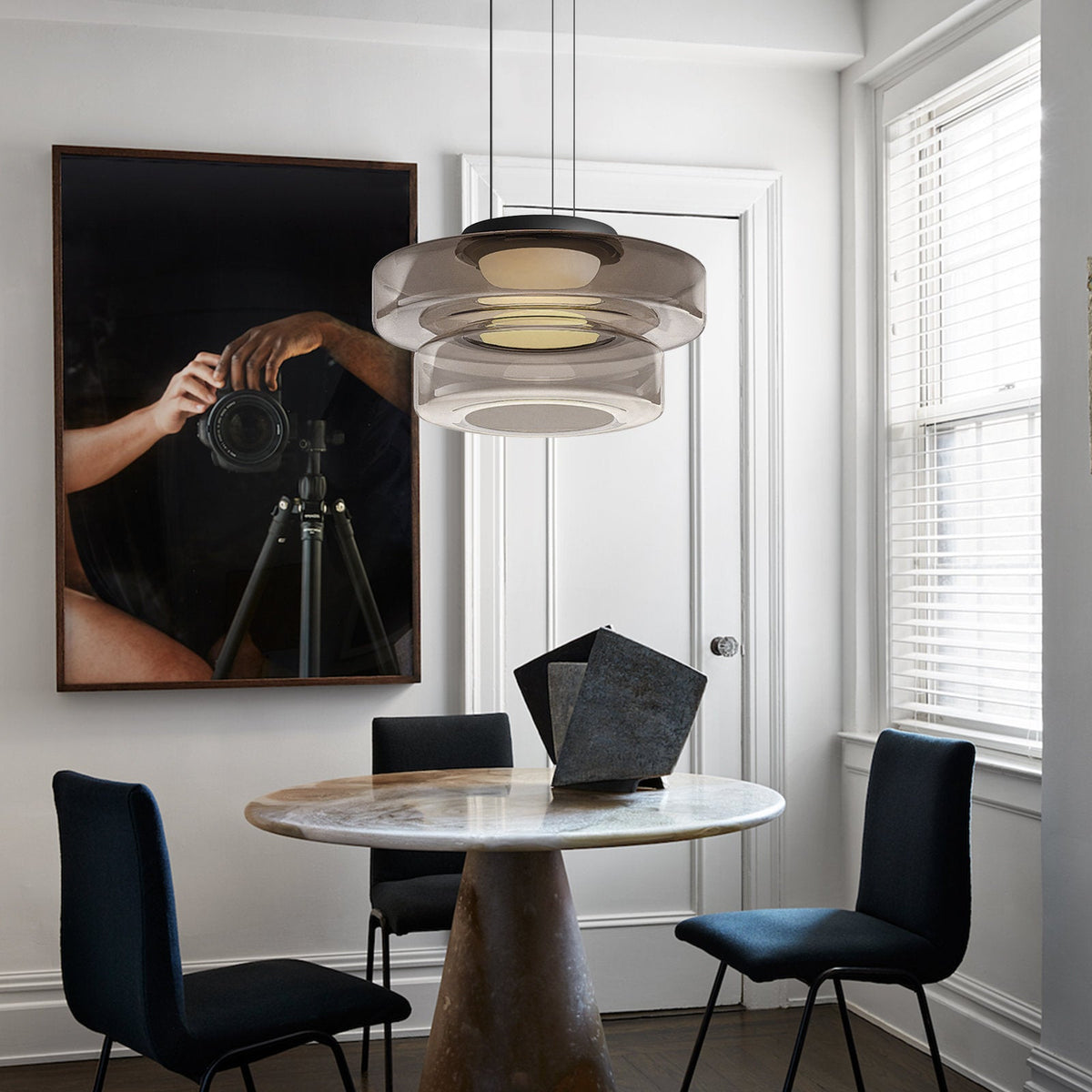
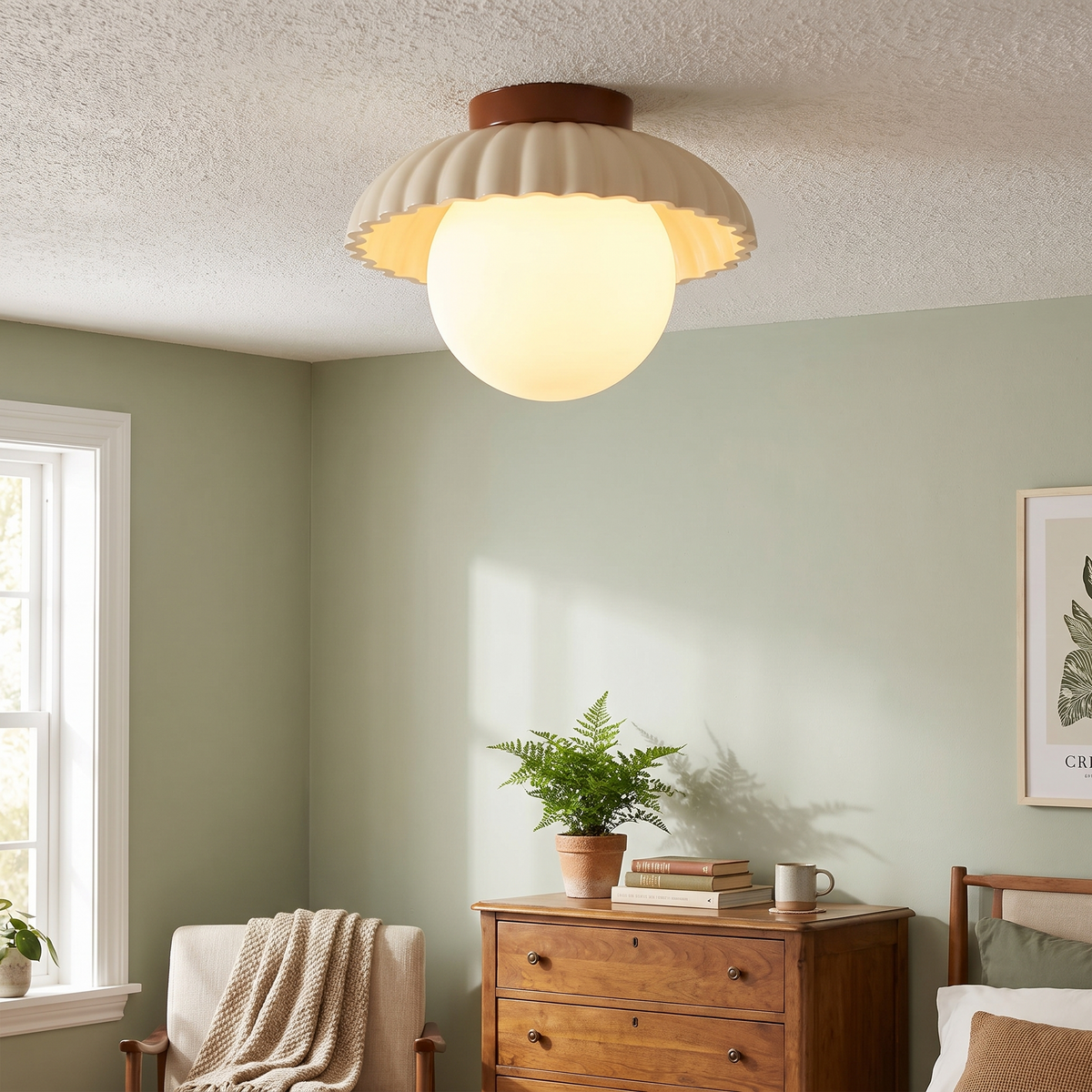
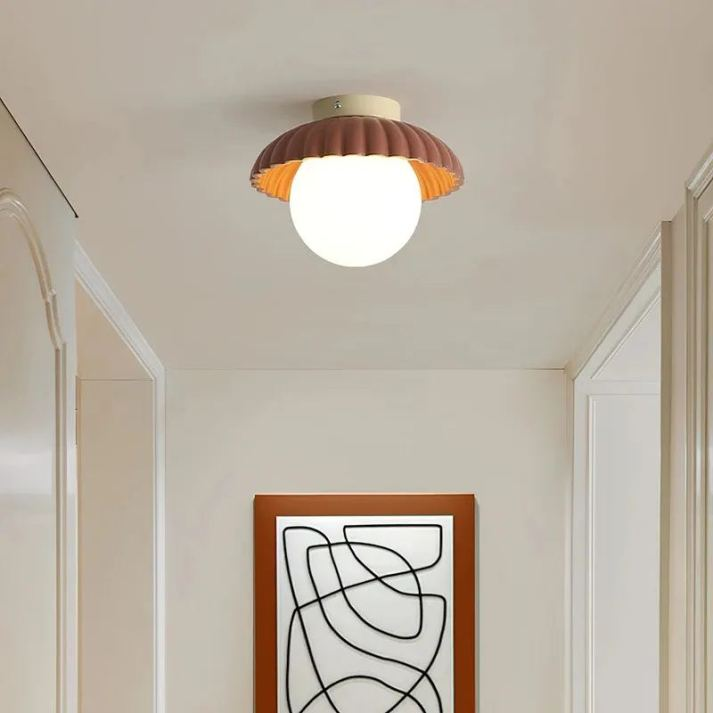
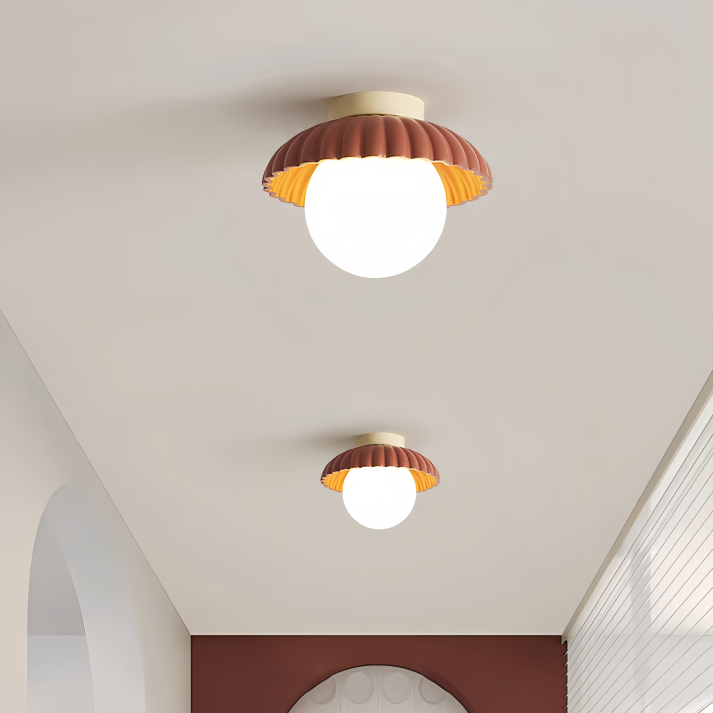
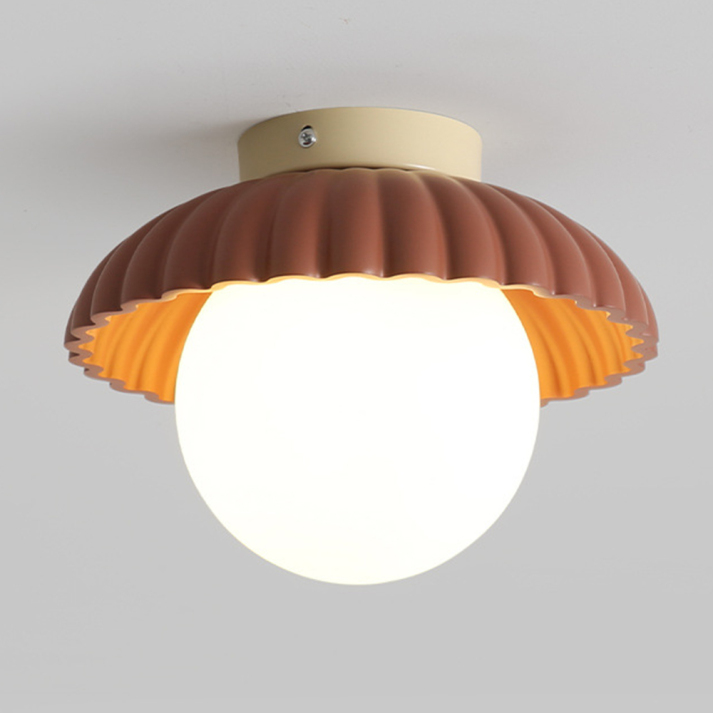
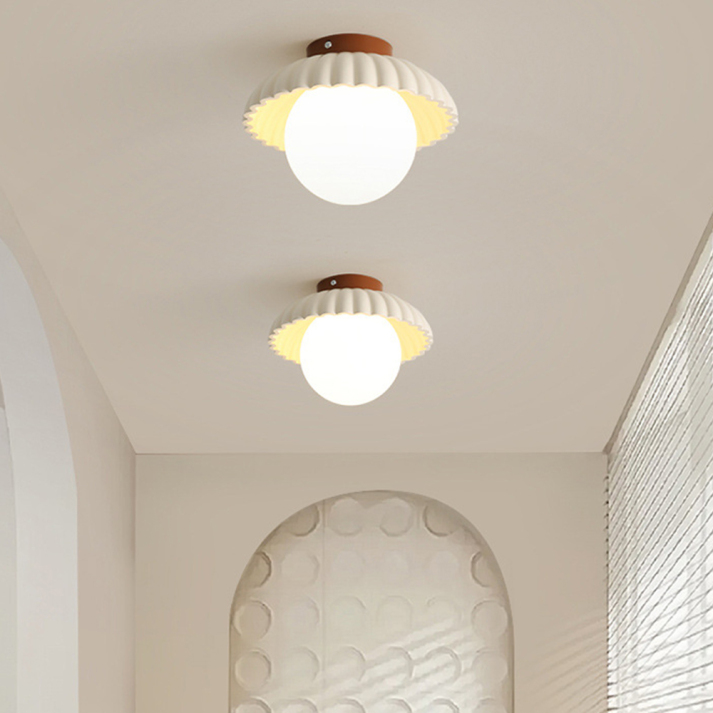
It suits a dining table, a bedside, or the corner of a living room — rooms where the finish is meant to feel soft rather than exact. White reads as plaster or unglazed clay; Orange is the version that acts as color in the room.
- Material: Resin
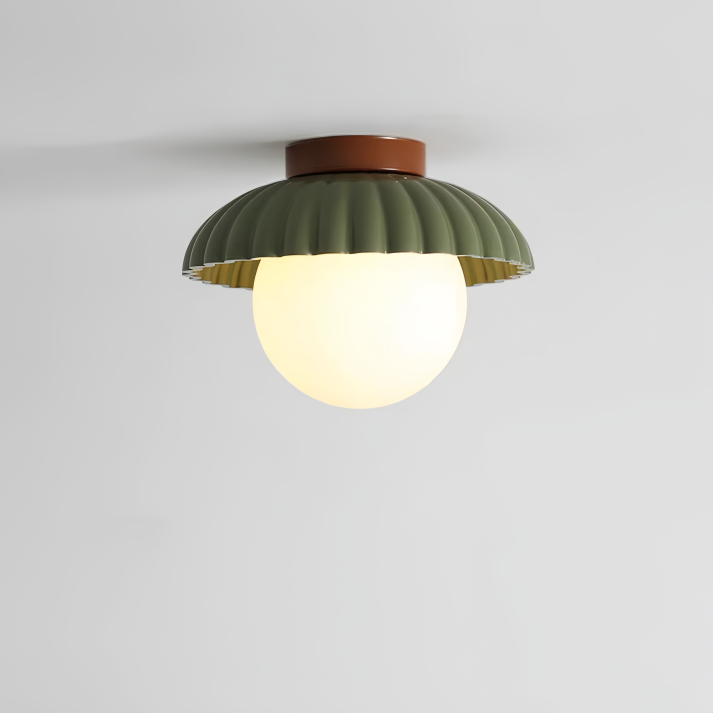
- Colors: White, Orange
- Light: Warm white
- Form: Pendant light
Shipping & Returns
Every order ships free anywhere in the United States, with no minimum and no added fees at checkout. As soon as your order leaves the warehouse we email you a tracking number, and you can follow it any time on our track your order page. Every piece is covered by our 30-day guarantee, counted from the day it arrives at your door. If something isn't right, email info@kavorahome.shop and we'll arrange a replacement or a refund.

Irregular On Purpose
Wabi-sabi means the form is deliberately irregular: uneven edges, an asymmetric profile, a surface that reads as weathered rather than machined. The shade is not intended to look perfectly finished, and warm light is the only temperature offered because it suits that intention.

Repeating An Imperfection
An irregular shape in glass or metal would have to be worked by hand every time. A resin cast reproduces the same intended irregularity from one mold, which is what allows a deliberately imperfect form to be made repeatably.

Matte All The Way Through
The surface is matte rather than reflective, so the shade absorbs light instead of throwing highlights back into the room. Warm output keeps the fixture in the same register as its own finish rather than contradicting it.
Frequently Asked Questions
Is the irregular shape intentional?
Entirely. Wabi-sabi means uneven edges, an asymmetric profile and a weathered rather than machined surface, so the shade is not meant to look perfectly finished when it arrives.
Why resin for this form?
Because a cast reproduces the same intended irregularity from one mold. The same shape in glass or metal would have to be worked by hand every single time, which is a different proposition.
Is there a cool white option?
No. Warm light is the only temperature offered, and that follows from the intention of the piece rather than being a limitation. A cool source would work against the finish.
How do the two colors read?
White reads as plaster or unglazed clay, which keeps it quiet. Orange is the version that acts as color in the room and becomes something you notice rather than something you overlook.
Where does it suit?
A dining table, a bedside, or the corner of a living room. Rooms where the finish is meant to feel soft rather than exact, since a precise interior gives the irregularity nothing to sit against.